In today’s highly competitive digital world, simply having a website is not enough. Millions of websites compete for attention every day, and without proper visibility, even the best websites can struggle to attract visitors. This is where Search Engine optimisation (SEO) becomes essential. In 2026, SEO continues to play a critical role in helping businesses grow their online presence, increase website traffic, and reach the right audience at the right time.
SEO is the process of optimizing a website so that it appears higher in search engine results. When people search for products, services, or information on search engines like Google, businesses that follow strong SEO practices are more likely to appear on the first page of results. Higher visibility means more clicks, more potential customers, and ultimately more growth for your business.
The Importance of Website Ranking
One of the main goals of SEO is improving your website ranking on search engine results pages (SERPs). Studies consistently show that most users rarely go beyond the first page of search results. If your website ranks higher, it becomes easier for potential customers to discover your brand.
A strong ranking not only increases traffic but also builds trust. Users often associate higher-ranked websites with credibility and authority. By implementing effective SEO strategies, businesses can position themselves as reliable sources of information within their industry.
On-Page SEO: Optimizing Your Content
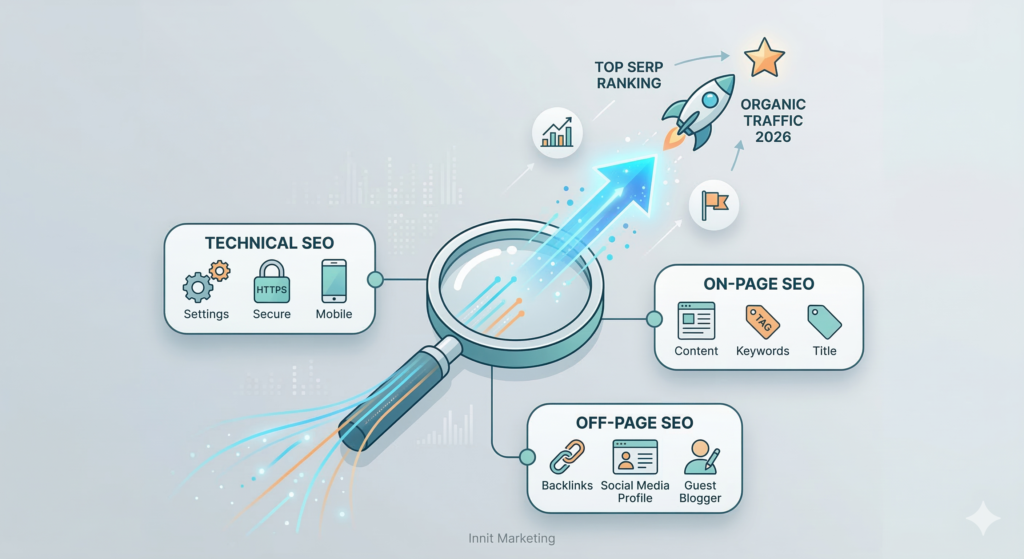
On-page SEO focuses on optimizing the elements within your website to improve search engine visibility. This includes optimizing page titles, headings, meta descriptions, images, and internal links.
Quality content is at the heart of on-page SEO. Creating helpful, informative, and easy-to-read content helps search engines understand what your website is about. Using relevant keywords naturally within your content also helps search engines match your pages with user search queries.
In addition, improving page structure, readability, and user experience plays a major role in keeping visitors engaged. When users spend more time on your website and interact with your content, search engines interpret this as a positive signal.
Technical SEO: The Foundation of a Strong Website
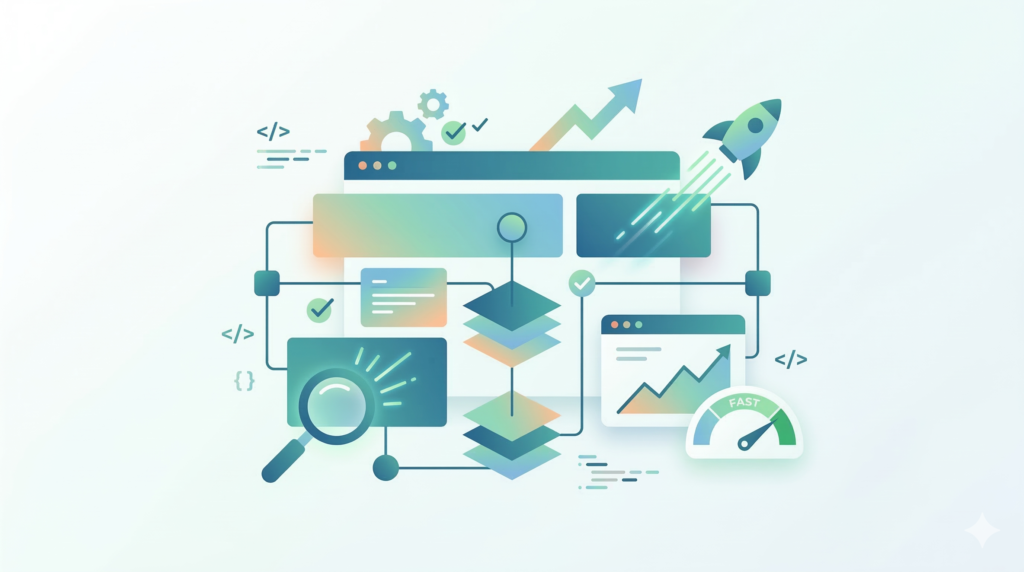
While content is important, the technical side of SEO is equally crucial. Technical SEO focuses on improving the backend structure of a website so search engines can easily crawl and index it.
This includes optimizing website speed, mobile responsiveness, site architecture, and secure connections (HTTPS). A fast-loading website improves user experience and reduces bounce rates, which can positively impact rankings.
Tools like Google Search Console help website owners monitor indexing issues, track search performance, and identify technical problems that could affect rankings. Fixing these issues ensures that search engines can properly access and understand your website.
Local SEO: Reaching Customers in Your Area
For businesses that rely on local customers, Local SEO has become increasingly important. Local SEO helps businesses appear in search results when users search for services near them.
For example, if someone searches for “digital marketing agency near me” or “water bottle store in Coventry,” search engines prioritize local businesses that are optimised for local search.
Optimizing your Google Business Profile, using location-based keywords, and collecting positive customer reviews can significantly improve local search visibility. Local SEO is particularly valuable for small and medium-sized businesses looking to compete within their community.
Off-Page SEO: Building Authority and Trust
Off-page SEO refers to actions taken outside your website that influence your search engine rankings. The most well-known off-page SEO factor is backlinks—links from other reputable websites that point to your site.
When trusted websites link to your content, search engines interpret it as a sign that your website is credible and valuable. This can significantly improve your domain authority and search rankings.
Other off-page strategies include guest blogging, brand mentions, social media promotion, and digital PR. Together, these efforts help strengthen your online reputation and expand your reach.
SEO Tools That Help Improve Performance
Managing SEO effectively requires the right tools. Platforms like Ahrefs and SEMrush are widely used for keyword research, competitor analysis, and backlink tracking. These tools provide valuable insights into what people are searching for and how your website compares with competitors.
Additionally, content management systems such as WordPress offer SEO plugins like Yoast SEO and Rank Math. These plugins help optimise on-page elements, generate sitemaps, and guide users in improving their content for search engines.
Using these tools allows businesses to make data-driven decisions and continuously improve their SEO strategies.
The Future of SEO
SEO is constantly evolving as search engines improve their algorithms and user behaviour changes. In 2026, factors like user experience, mobile optimisation, voice search, and AI-driven search results are becoming increasingly important.
Businesses that invest in long-term SEO strategies are more likely to adapt to these changes and maintain strong visibility online. Rather than relying on short-term tactics, successful SEO focuses on delivering value to users while following best practices.
Final Thoughts
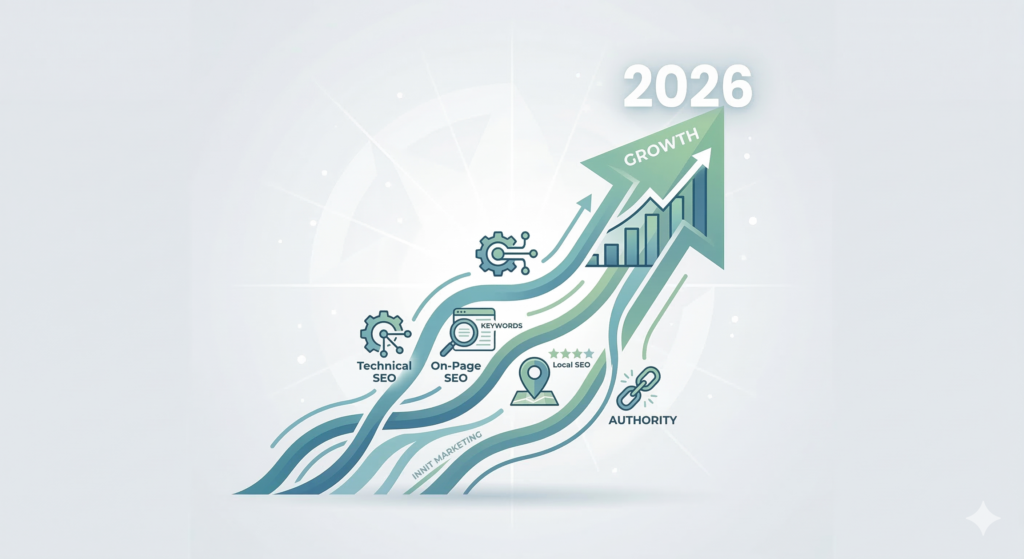
SEO is no longer optional for businesses that want to succeed online. From technical SEO and on-page optimisation to local SEO and off-page strategies, each aspect plays an important role in improving website visibility and attracting the right audience.
By using the right tools, creating valuable content, and maintaining a well-optimised website, businesses can achieve higher rankings, increased traffic, and sustainable online growth.
If you’re looking to strengthen your digital presence and improve your website’s SEO performance, Innit Marketing is here to help businesses grow with smart, data-driven digital marketing strategies.