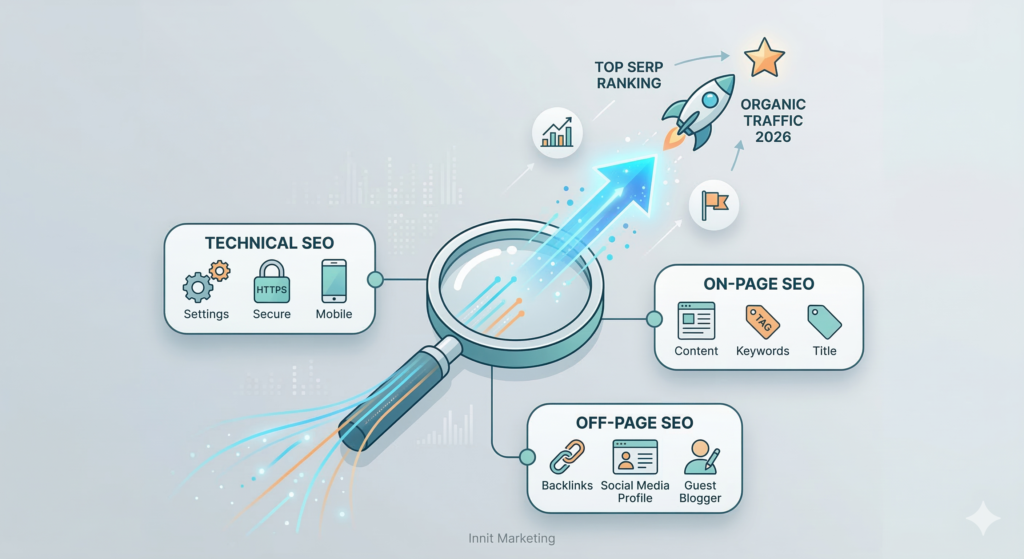
In today’s competitive digital environment, website performance has become just as important as high-quality content. Search engines are increasingly focused on delivering the best possible user experience, which means websites must load quickly, respond smoothly, and remain visually stable. This is where Core Web Vitals and technical SEO work together to improve both search visibility and user satisfaction.
Introduced by Google, Core Web Vitals are a set of performance metrics designed to measure real-world user experience on a webpage. These signals evaluate how quickly content loads, how responsive a page is, and how stable the layout remains while it loads. For marketing teams and website owners, optimising these factors has become an essential part of modern SEO strategy.
Understanding the right technical SEO practices can help businesses improve these metrics and ultimately achieve stronger rankings and better engagement.
Understanding Core Web Vitals
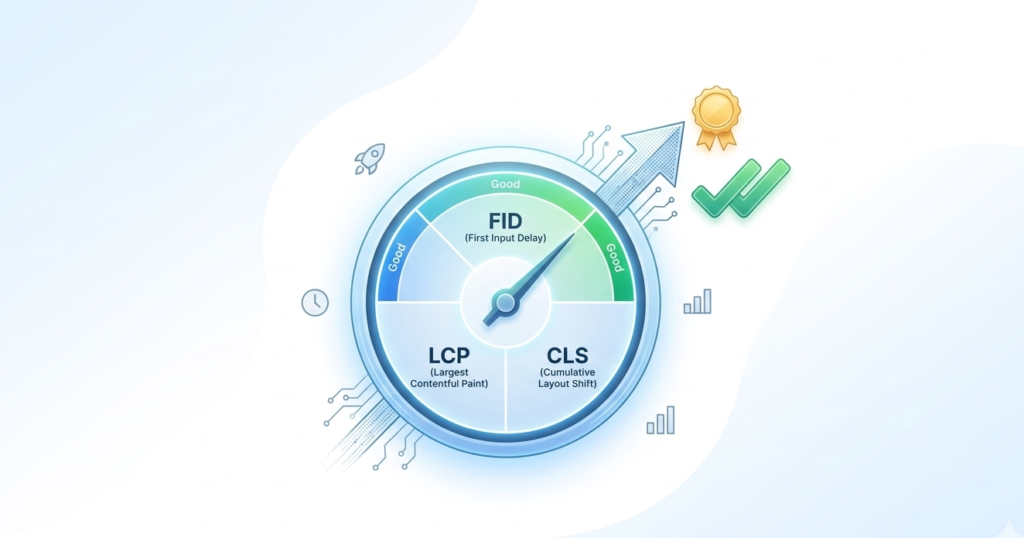
Core Web Vitals focus on three primary performance metrics that directly affect user experience:
Largest Contentful Paint (LCP)
This metric measures how long it takes for the largest visible element on a webpage to load. Ideally, the main content should appear within 2.5 seconds.
Interaction to Next Paint (INP)
INP evaluates how quickly a website responds to user interactions such as clicks or taps. Faster interaction times create a smoother browsing experience.
Cumulative Layout Shift (CLS)
CLS measures how much the page layout moves unexpectedly while loading. A stable page ensures that users do not accidentally click on the wrong elements.
These metrics help search engines determine whether a website offers a positive browsing experience. Websites that perform well in these areas often benefit from improved rankings and higher engagement rates.
Why Core Web Vitals Matter for SEO
User experience has become a major ranking factor in modern search algorithms. If a website loads slowly or feels unresponsive, visitors are more likely to leave before engaging with the content.
Optimising Core Web Vitals provides several benefits:
- Faster page loading speeds
- Lower bounce rates
- Improved mobile usability
- Higher user engagement
- Better search engine rankings
Search engines reward websites that provide efficient, accessible, and user-friendly experiences. For marketing teams, improving these metrics is now a critical part of maintaining online competitiveness.
The Essential Technical SEO Checklist
Improving Core Web Vitals requires a combination of technical improvements and ongoing monitoring. The following checklist outlines the key areas marketing teams should focus on.
1. Improve Website Loading Speed
Page speed remains one of the most influential performance factors. Slow-loading websites can negatively affect both user experience and search visibility.
Tools such as Google PageSpeed Insights and Google Search Console help identify performance issues and provide actionable suggestions.
Some effective ways to improve loading speed include:
- Compressing large images
- Reducing unnecessary JavaScript
- Using modern image formats like WebP
- Minimising CSS files
- Implementing browser caching
These improvements help reduce load time and improve the Largest Contentful Paint metric.
2. Optimise Server and Hosting Performance
A fast and reliable hosting environment plays a significant role in website performance. Poor server response times can delay page rendering and negatively impact Core Web Vitals.
Marketing teams should ensure that their website uses:
- High-performance hosting services
- Efficient server-side caching
- Optimised databases
- Global content delivery networks (CDNs)
Using a CDN distributes website content across multiple global servers, allowing users to access pages from locations closer to them.
3. Reduce Layout Shifts
Unexpected layout shifts can frustrate users and damage the browsing experience. These shifts often occur when images, advertisements, or dynamic content load without reserved space.
To reduce layout instability:
- Always define image and video dimensions
- Reserve space for advertising placements
- Avoid inserting content above existing elements
- Use stable font loading techniques
These adjustments help maintain a stable layout and improve the CLS metric.
4. Enhance Mobile Performance
With the majority of internet traffic coming from smartphones, mobile optimisation has become essential. Search engines now prioritise mobile-first indexing when evaluating websites.
A mobile-friendly website should include:
- Responsive design
- Fast-loading mobile pages
- Simple navigation menus
- Touch-friendly buttons
- Optimised image sizes
Ensuring a smooth mobile experience helps improve both usability and Core Web Vitals performance.
5. Minimise Third-Party Scripts
Many websites rely on external scripts for analytics, advertisements, and marketing tools. However, excessive third-party scripts can slow down page loading and delay user interactions.
Marketing teams should regularly audit their scripts and remove unnecessary integrations. Loading scripts asynchronously can also reduce their impact on page speed.
6. Monitor Performance Regularly
Technical SEO is not a one-time task. Websites should be monitored regularly to identify performance issues and maintain optimal performance.
Tools like Lighthouse allow developers and marketers to conduct regular performance audits. These insights help detect problems early and maintain consistent optimisation.
Ongoing monitoring ensures that improvements remain effective as websites evolve and new features are introduced.
Emerging Trends in Technical SEO
As search technology continues to evolve, technical SEO strategies are becoming more advanced. Artificial intelligence is playing a growing role in how search engines analyse user experience and website performance.
Modern trends include:
- AI-driven search algorithms
- Progressive web applications (PWAs)
- improved mobile performance optimisation
- advanced performance monitoring tools
Businesses that stay ahead of these trends can build faster, more efficient websites that meet the expectations of both users and search engines.
Final Thoughts
Core Web Vitals have become a crucial part of modern SEO. They provide measurable insights into how users experience a website, making them an important benchmark for performance optimisation.
By following a structured technical SEO checklist and regularly monitoring performance metrics, marketing teams can create websites that load faster, respond quickly, and deliver a stable browsing experience.
A strong technical foundation not only improves search rankings but also builds trust with users and encourages long-term engagement.
At Innit Marketing, we regularly explore practical strategies that help businesses strengthen their online presence through better SEO and website performance.
Through insights, tools, and digital marketing expertise, Innit Marketing aims to support brands looking to grow sustainably in the evolving digital landscape.